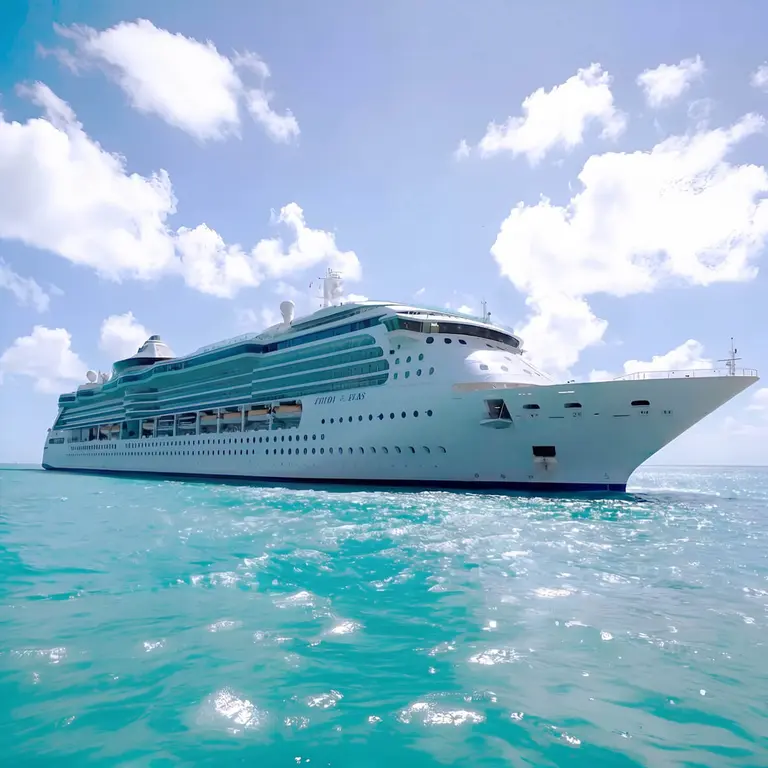

Are you about to embark on your first cruise adventure? Whether you're heading to the Caribbean, the Mediterranean, or any of the world’s incredible cruise destinations, planning and packing for your first voyage can feel overwhelming. But don’t worry—this guide is packed with expert tips for first-time cruisers, offering you practical cruise planning advice, packing tips, and everything you need to know to make your journey a success.
Planning & Packing: What You Need to Know
Packing Smart for Your Cruise Vacation
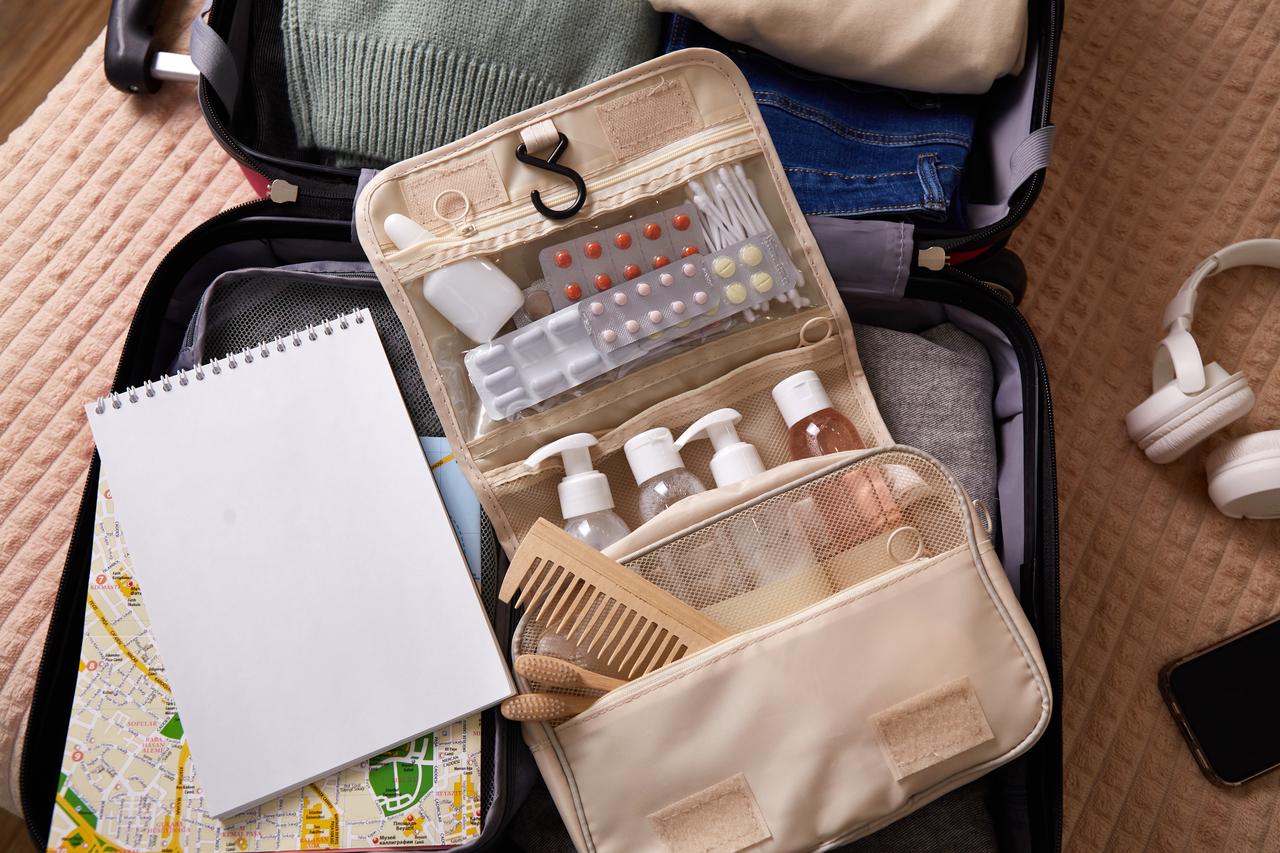
When packing for your first cruise, the key is to pack light, stay organized, and think practically. Cruises are known for their relaxed atmosphere, so there's no need to overpack. Most cruises are laid-back, and you’ll spend your days in casual clothing, making it easy to rotate a few outfits throughout the trip. For your first-time cruise packing, consider the following:
- Carry-On Bag: Pack a carry-on with all the essentials you might need before your checked luggage arrives. This includes your passport, medications, travel documents, sunscreen, swimsuits, a change of clothes, and any items you’ll need for the first few hours aboard while waiting for luggage to be dropped off.
Cruise Packing List: Use a cruise packing checklist to ensure you don’t forget anything important. Your checklist should include toiletries, formal wear (for dinners or special occasions), sun protection, swimwear, and electronic devices. Don’t forget to include travel adapters if you’re sailing to international destinations. Some common items may be prohibited for fire safety reasons, so always check the cruise line website for details.
Pro Tips:
Bringing Wine Onboard: Guests are generally allowed to bring wine or champagne in their carry-on luggage. Please note that policies vary significantly by carrier regarding quantity limits and corkage fees. We recommend checking your cruise line's official requirements before arrival to ensure a smooth boarding process.
Traveling with a CPAP Machine: Request distilled water and a non-surge extension cord for your CPAP through the cruise line’s Special Needs department after booking. Most lines offer these for free, though some carriers may charge for the water.
2. Plan for onboard dining and entertainment
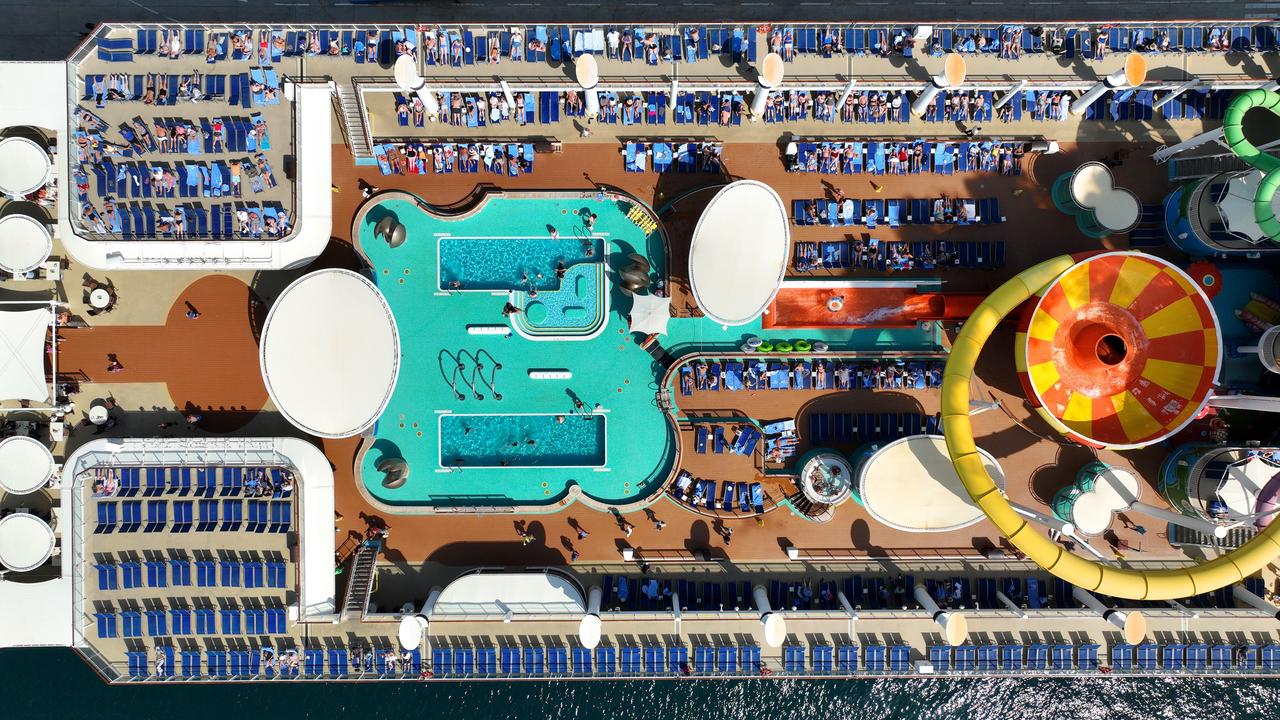
Cruise lines offer a range of dining options, from all-you-can-eat buffets to fine dining. As a first-time cruiser, it’s essential to plan to make the most of your time onboard. Speciality dining often comes with additional charges, so if you’re interested in enjoying a fine dining experience, it is highly recommended to make a reservation early. Most cruise lines open reservations 1-2 months before departure or sooner, and booking in advance ensures you’ll secure your spot at your preferred restaurant.
Entertainment is another area to plan for. Many cruises offer exciting shows, concerts, and performances. First-time cruise advice includes making reservations for these events early if available on your ship —especially for popular attractions like Broadway-style shows or onboard comedy clubs. Booking early helps you avoid disappointment and ensures you have a great spot for the best entertainment times. While pre-booking is available for most entertainment options, some may only be booked once on board or are first-come, first-served seating.
Tip: Use your cruise line’s app to manage your schedule and make reservations directly from your smartphone. This app will also help you stay up to date on daily activities, onboard events, and any changes to your itinerary.
3. Budget for Cruise Extras
While your cruise fare covers a lot, such as meals, entertainment, and basic onboard amenities, there are still extras that can quickly add up. First-time cruisers should remember that speciality dining, spa treatments, and shore excursions usually come with additional costs. Be sure to factor in these expenses when calculating your overall cruise budget or look for packages and deals that include many of these extras. For example, if you’re planning a spa day or want to book a shore excursion at one of your stops, set aside extra funds to cover these activities.
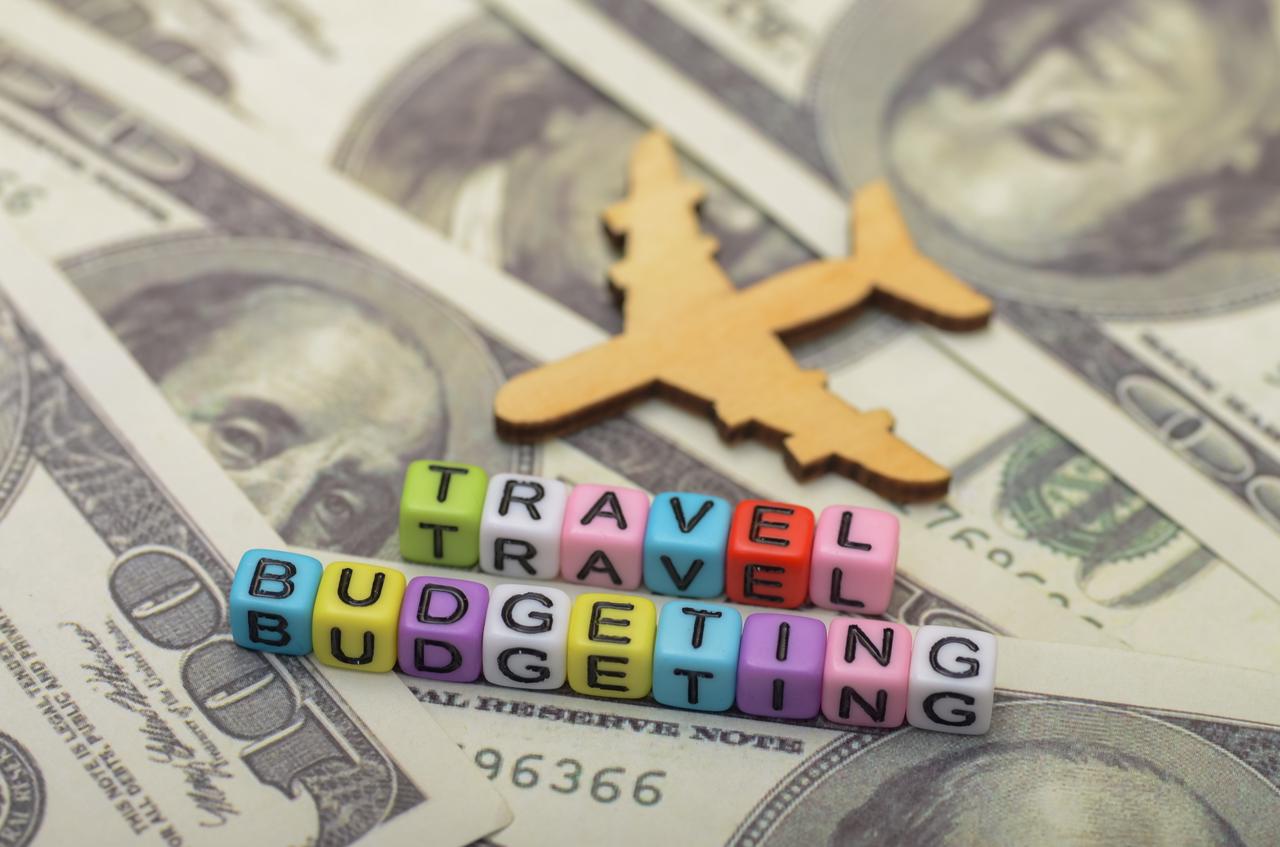
Many cruise lines offer wristbands that can double as both your stateroom key and a payment method, so you don’t have to carry multiple cards. But, be aware that these wristbands may come with an additional cost. Managing your spending while onboard is easier with a prepaid onboard account to keep track of everything.
4. Get Travel Insurance
Travel insurance is one of the best ways to protect your investment in your cruise. As a first-time cruiser, you never know what could happen—whether you miss the ship’s departure or need medical assistance during your voyage. Cruise travel insurance will cover various situations, from trip cancellations to lost luggage, and can give you peace of mind during your vacation.
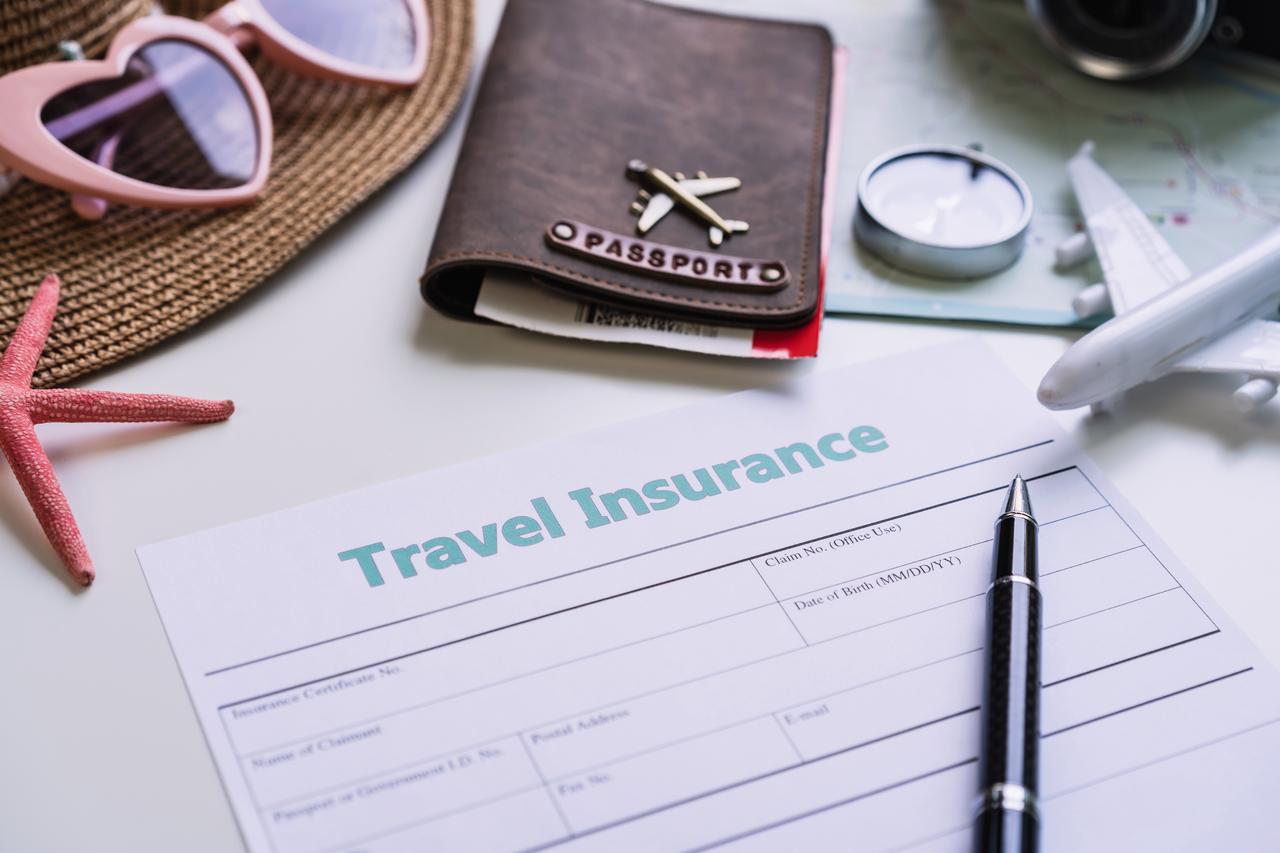
Ensure your policy includes coverage for medical emergencies, trip interruption, and any potential cancellations. If you assume your credit card provides travel insurance, verify that the coverage applies internationally and covers maritime travel outside the U.S. It’s always better to have a safety net in case the unexpected happens. Most cruise lines offer their own travel insurance packages, but you may also want to compare them with third-party providers for the best coverage.
5. Plan Shore Excursions in Advance for a Smooth Experience
Shore excursions are a highlight of cruising, offering a range of activities once the ship docks at various ports. From relaxing beach days and city tours to adventurous options like zip-lining, ATV rides, and snorkelling, there’s something for every type of traveler.

To ensure you don’t miss out, it’s best to book your excursions in advance, especially for popular activities. You can book directly through the cruise line for added convenience and the peace of mind that the ship won’t leave without you in case of a delay. Alternatively, independent third-party providers may offer cheaper and more personalized tours, but be mindful of your time management, as the ship won’t wait for late arrivals.
Departure Port, Boarding & Your First Day
6. Get the Ship’s Contact Information
One crucial cruise tip for first-time cruisers is to ensure you have the ship’s contact information saved in case you need assistance while ashore. In an emergency while away from the ship, contact the cruise line immediately. You can find the necessary emergency numbers on your boarding pass, key card, or by checking with Guest Services before you disembark.
7. Arrival Timing & Departure Port Basics
Proper cruise preparation starts with arriving early at the departure port. On embarkation day, cruise lines typically assign a check-in window, and it’s best to arrive at the start of that window. Aim to be at the port 2–3 hours before the latest boarding time (also known as "all-aboard time"). Boarding usually closes 1–2 hours before sail-away, and the ship will not wait.

If you’re flying to the cruise port, always try to arrive the day before to avoid the risk of flight delays or cancellations. This ensures plenty of time to clear security, check in, and get to your stateroom stress-free. This is especially important for international flights or winter travel. During peak cruise seasons, arriving even earlier may be necessary.
For those driving to the port, confirm parking options and shuttle schedules in advance. Pre-booking your parking spot can save time and reduce stress on departure day. By arriving early, you ensure a smooth start to your first-time cruise and avoid the anxiety of last-minute rushing.
Tip: Check your cruise line’s recommended arrival time to ensure you arrive at the port within the optimal time frame.
8. Turn on Airplane Mode on Your Phone

If your cruise is going to international waters, first-time cruisers should be cautious of international roaming charges. Without turning your phone to airplane mode, you could end up with an astronomically high phone bill. Many cruise lines offer onboard Wi-Fi packages, which can save you money on internet usage. Additionally, you can explore travel-friendly phone plans offered by your cellular provider to ensure you stay connected without incurring high costs.
9. Set Up Your Onboard Card/Account
One of the first-time cruise tips every cruiser should follow is setting up your onboard account early. Everything on a cruise ship is cashless. Your room key card serves as your payment method for all purchases, which are charged to your shipboard account and paid at the end of your voyage. At guest services or via the cruise line’s app, register a payment card to ensure your purchases, such as spa treatments, speciality dining, and shore excursions, are charged to your account.
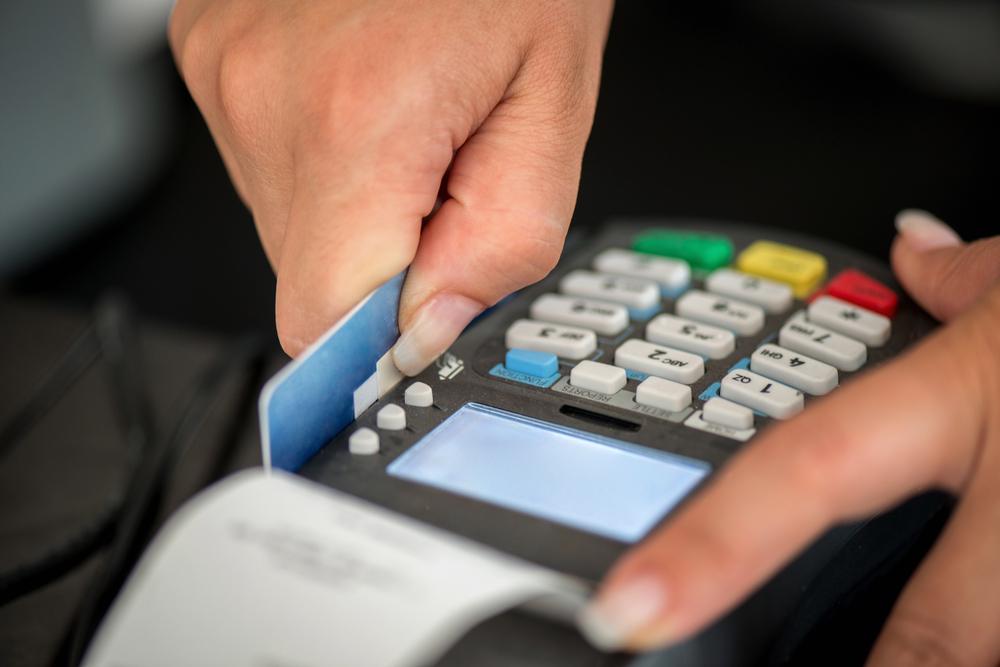
- Pro Tip: Most cruise lines require you to establish your onboard expense account during the online check-in process before your sailing.
It’s also a good idea to monitor your account throughout the cruise, either via the app or daily statements, to keep track of your spending. If you lose your cruise card, report it immediately to guest services, and they will deactivate it to prevent unauthorized use.
10. Safety Drill/Muster—Must-Know Procedures

Before setting sail, all passengers must participate in the mandatory muster drill. This safety briefing is required by law to ensure everyone on board knows what to do in case of an emergency. Some cruise lines provide the briefing through the cabin TV or app, followed by an in-person station check-in. Others may hold an entirely in-person muster. As soon as you board, familiarize yourself with the location of your muster station and nearby emergency exits to ensure you're prepared in case of an emergency. Your boarding pass will show your muster station's location.
Conclusion
With these expert cruise tips and cruise packing checklist, you’re well on your way to preparing for an amazing first-time cruise experience. From smart packing and planning to budgeting for extras and getting familiar with onboard procedures, a little advance preparation can go a long way in ensuring you have a smooth and enjoyable voyage.
Happy cruising!